Rise of the Taproom and Fall of the Festival
It’s been a very different year for craft beer in Portland.
Cascade Brewing, one of America’s foremost entities in the sour beer movement, ceased production in June. The regular summer and winter pastimes that are the Oregon Brewers Festival and Holiday Ale Festival have also effectively ended their decades long runs.
Beyond these obvious changes, the day-to-day reality of the Portland beer industry has also changed. Small breweries have in many ways grown into effective businesses that feel less reliant than ever on a greater entity to look after their interests or host a beer festival they have to pay and/or donate beer to participate in.
Another big change is the impact the pandemic has had on buying habits, public gatherings, and interest in non-alcoholic products, but also the changes breweries have made by diversifying their brands, finding new outlets for their beer, hosting their own events/collaborative gatherings, and continued growth through neighborhood focused taprooms and bottle shops.
So here’s a comprehensive take on what’s changed with beer festivals, how Portland’s pop-ups and taprooms have changed our buying habits, plus how breweries, large and small, in the region have changed.
Brewery Business Models Matter

To illustrate how things have changed since covid in the beer industry, let’s take a look at two different brewery models and how the market has reorganized itself.
Consider the disposition of breweries such as Ninkasi, Occidental, Ecliptic, Silver Moon, Widmer, Cascade, Lompoc, Hopworks, Laurelwood, Deschutes, Rogue etc.
Then take a look at Level, Breakside, SteepleJack, Wayfinder, ForeLand, pFriem, Ruse, Away Days, 10 Barrel, Upright, etc.
So what’s the difference?
The first set of breweries thrived pre-pandemic through big distribution via traditional channels, often having multiple locations or one busy taproom to keep the beer flowing to make ends meet. Some have diversified and are still healthy, others have resorted to amplifying distribution in markets outside of Oregon, and still others have closed taprooms and/or shut down entirely.
The second set of breweries has found more local distribution of draft kegs (not just package), have opened or planned new taproom outlets for their beer, and are still thriving. They’ve also, simultaneously, found new homes for packaged beer at specialty or boutique grocery chains such as Whole Foods, New Seasons, Zupan’s, and Market of Choice who have embraced self-distro and small distro brands, more prominently featuring the 16oz can format that’s popular with craft beer fans and high-end consumers.
Further, that first set of breweries still heavily relies upon the established distro model because their wholesalers can rely on their steady supply of flagship beers that are always available, brewed at a high volume and sold at a lower cost in 12oz six-packs (72oz) versus 16oz four-packs (64oz). You go into any Safeway/Albertsons or Fred Meyer and you’re more likely to find those larger legacy brands in 12oz cans, versus those specialty grocery outlets who now, more often, stock 16oz focused brands.
And here’s where the neighborhood bottleshops & taprooms come into play, as they’ve championed the smaller breweries, finding an improved business model themselves as they’ve created complimentary pop-ups and takeovers that better cater to their customer base.
The Rise of the Craft Beer Taproom
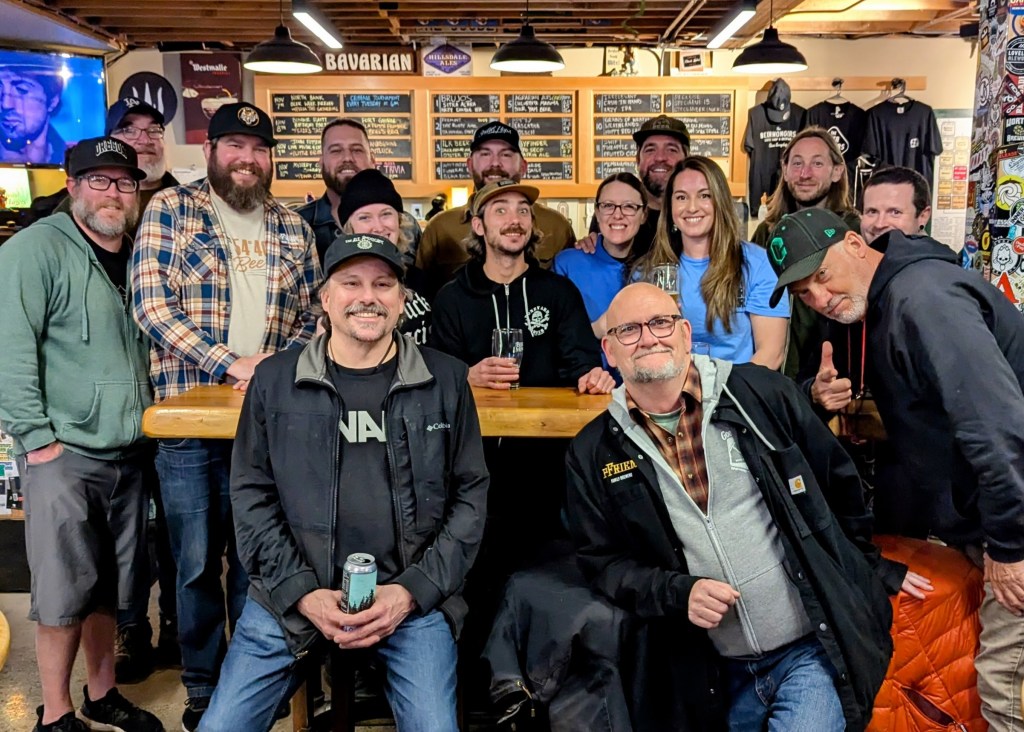
The pandemic’s series of shakeups (aka pivots) of the industry forced breweries to diversify their perspective on how best to market their products. As a result, today you’ll more often find the Brewpub model embraced by larger and/or legacy brands, regional or national restaurant chains, and smaller suburban or rural breweries. Conversely, you’ll find the term Taproom more often associated with breweries that have left behind the brewpub model to open multiple satellite draft-only venues, as well as the local craft-focused watering holes (and bottle shops) you now find in almost every Portland neighborhood today.
The escalating costs of raw materials, changes in our culture, and lower demand have all taken a toll on our collective reality as an industry. Growing small and medium sized breweries are looking for more efficient and higher margin avenues to sell more beer without having to rely upon distribution where they’d be losing their margin – revenue they could otherwise generate through their own taprooms.
Additionally, we now see smaller weekday events growing in prominence with neighborhood and brewery taprooms, who struggled to justify being open all week as we emerged from the pandemic. Now they can invite food trucks/carts and pop-up vendors to provide on-site food and host mini-festivals, thus eliminating the costly overhead required to operate food service.
Take for example the consistency a specific sub-set of craft beer taprooms have displayed since the pandemic. One need only dial into what’s been happening at The BeerMongers, Wildwood Taphouse, MayFly, and Lombard House – a consortium of independent taprooms who share best practices, coordinate vendor pop-up schedules, and keep open lines of communication to avoid stepping on each other’s toes. This was well documented last year by my friend Andre at the Oregonian.
This new extremely stratified landscape for craft beer has arguably played the biggest role in the decline of what are seen as traditional beer festivals. Between the decline in Brewpubs, broad acceptance of craft diversity in all grocery chains, and the rise of brewery and neighborhood taprooms, the “big tent” beer festival concept is no longer sustainable.
The Fall of the Craft Beer Festival
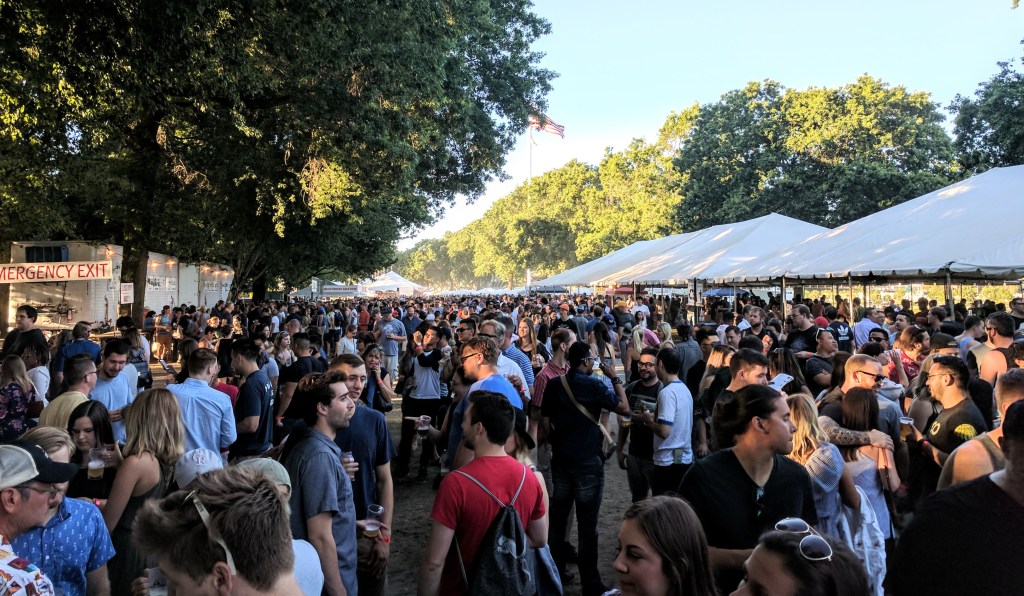
Businesses and consumers appear to be finally reconnecting after nearly a century of damage done following Prohibition. With the three tier system, breweries were removed from the pubs and bars because of what was deemed to be monopolistic behavior, back when a handful of large national and regional brewers dominated the landscape. Though in the process it created distance between the supplier and consumer, thus requiring a distributor, a festival, and/or taproom to create and build that relationship on their behalf.
These days a whole host of breweries across the country host their own events and collaboration releases, to some extent eradicating what I term the “third-party festival” model. When I think of how this all came about, I think of the OG release festivals like Dark Lord Day at Three Floyds or Hunahpu’s Day at Cigar City, not to mention larger specialty festivals like the Firestone Walker Invitational.
Today you’ll find the same excitement and passion for craft beer festivals at events hosted at breweries such as Brujos, Baerlic, Breakside, Gigantic, Ruse, pFriem, Living Haus, de Garde, Fort George, and many more.
This is happening because breweries don’t wanna give away their margins to a third-party hosting a big fest they (and often their supporters) generally wouldn’t be interested in attending themselves. As a result, they have their own smaller events, anniversaries, and festivals where they invite like-minded breweries to participate, feature live music, sporting events like wrestling, or performance art.
As an extension of this thinking, they’re also working with retail taprooms and distributors to have their beer featured in takeovers, building customer interest, and ultimately brewery visits and brand loyalty over time.
The confluence of new, more specialized neighborhood festivals colliding with the saturation of craft beer in the market, is the death knell for traditional Portland craft beer festivals.
They can buy beer at their neighborhood bottle shop, grocery store, bar, taproom, movie house, strip club, etc. They can learn from social media accounts they follow and from websites about which breweries are new and exciting, what they’re releasing, and what events they’re having. They no longer rely upon larger gatherings to accomplish that.
It must also be said that traditional festivals, on their own, draw less interest due to crowds, hot and dusty or rainy and cold outdoor environments, long lines, public drunkenness, and in some cases, prohibitive costs for entry, food, and even the beer itself.
All of the identifiers listed above aren’t happening in a vacuum, nor am I saying that taprooms killed beer festivals or that beer festivals are even dead. There are still plenty of beer festivals that draw crowds locally including SheBrew, Portland Craft Beer Festival, Oregon Trail Brewfest, McMenamins Edgefield Brewfest, Brews For New Avenues, Fresh Hop Pop-up Fest, BrewLights, Portland Holiday Brew Fest, a wide variety of Oktoberfests, and many more. Obviously both things can happen simultaneously; it’s not a black or white reality.
The truth is that brewery and bottleshop taprooms have reduced the need for beer festivals. Furthermore, these events have the potential to build strong long-term relationships between the brewery, taproom and consumer. A memorable and successful event will foster demand for more can and draft options and engender better relationships for everyone, in the end.
These breweries that are surviving, and even thriving, also participate in festivals. Diversification of the brand, engagement with the community, as well as moving cases in stores are all necessary. This all-of-the-above strategy not only harbors success, it’s how craft beer continues to exist and keep it’s culture alive in Portland.
The Future and Innovation
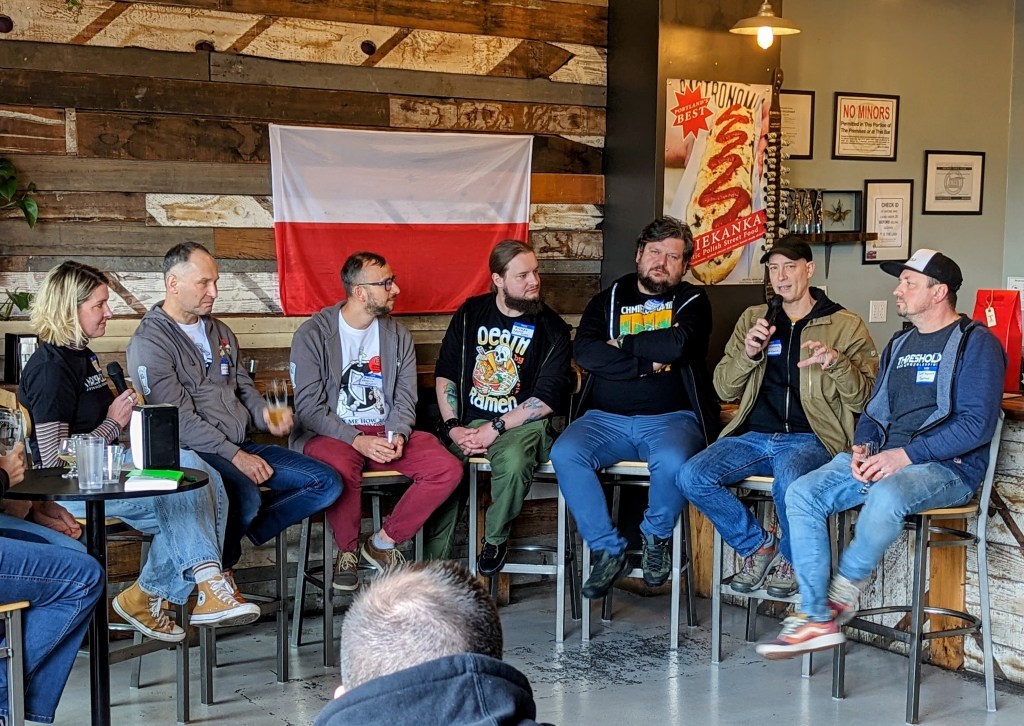
After most everyone was forced to package all their beer during the pandemic, survival going forward definitely involves the industry continuing to shift their focus towards service and delivering a unique experience to customers, not merely to sell beer at their own taproom(s) and to retail locations.
The period defined by the innovation of craft beer styles is over. New innovations now include the ability for breweries to effectively bring their beer to market: impactful marketing and social media, expanding into additional taprooms, hosting smaller and more regular events, working with neighborhood taprooms and grocery stores, providing food from local vendors, and working with like-minded distributors.
The baseline expectations to have success in the beer industry is clearer than ever – survivalism through better business practices. It is ultimately forward thinking through adaptation to market demands that’s the key to thriving in today’s craft beer industry.

 Craft Beer Scribe